Showing posts with label Back to basics. Show all posts

Tuesday, June 18, 2019

Homemade Cajun Seasoning Mix


Making your own Seasoning Mixes are easy to make and you get to control the SALT intake!! 

They make great gifts for Christmas. Package them in pretty little jars with a ribbon, a list of ingredients and lots of love.  


INGREDIENTS
1 tbsp onion powder
1 tbsp garlic powder
1 tbsp dried oregano
1 tbsp dried basil
1/2 tbsp dried thyme
1/2 tbsp black pepper
3 tbsp sweet paprika
1/4-1/2 tsp cayenne pepper
1 tsp celery salt
1 tbsp salt

DIRECTIONS

Mix together well.

Pour into a small jar and attach with a ribbon a gift card.
Use Cajun Seasoning Mix with Chicken, Pork, Seafood, Steak and Veggies.


Saturday, November 26, 2016

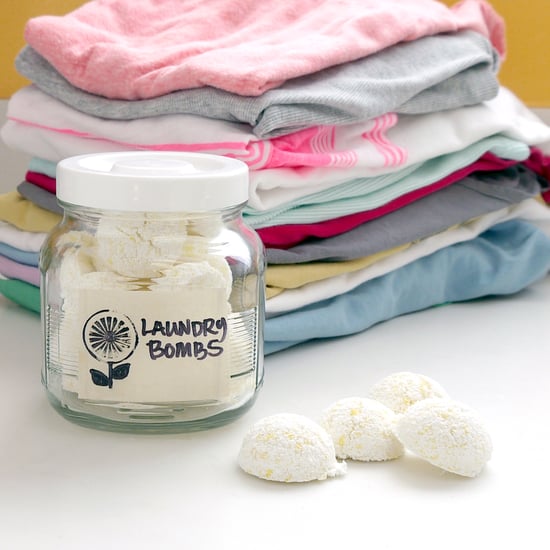
All-in-One Laundry Bombs


Laundry doesn't have to be a chore. Instead of lugging your detergent, stain stick, fabric softener, and your laundry to the washing machine, here's a homemade laundry bomb that does it all. You can pick up the basic ingredients at your local grocery store for a few dollars, making these little helpers seriously budget-friendly. Scent with your favorite essential oil for a personalized smell and you're ready to get washing.

What You'll Need:
  • Small mixing bowl
  • Grater
  • 1 1/2 cup washing soda
  • 1/2 cup Fels-Naptha
  • 2 tablespoons Epsom salts
  • 3 tablespoons hydrogen peroxide
  • 1/4 cup vinegar
  • 15-20 drops essential oil
  • Sheet pan
  • Parchment paper
  • Measuring spoons
Directions:
  1. Grate the Fels-Naptha into the mixing bowl and add the washing soda and Epsom salts. Fels-Naptha is a laundry bar soap that does a great job of attacking stains and cleaning your laundry. The boost of all-natural washing soda softens water while washing clothes. And the Epsom salts cut down on static cling and also soften fabrics once clothes hit the dryer.


  1. Now add the hydrogen peroxide and give things a stir. Hydrogen peroxide naturally whitens clothes and keeps your colors fresh. Stir in the vinegar, which busts through stains while leaving clothes soft. Then scent with several drops of your favorite essential oil.


  1. Once everything's incorporated, the mixture should resemble wet sand and clump together when pressed. Cover a sheet pan with parchment paper and then use a rounded 1 tablespoon measuring spoon to scoop up the mixture, press against the side of bowl, then tap out onto the pan. Finish with a quick spritz of equal parts vinegar and water. Let set for eight hours before using.


  1. Your laundry bombs are ready to toss in the washing machine! Use one round for small loads and two when washing lots of laundry. You'll love how they refresh your clothing without all the extra cleaners!


Makes around 28 laundry bombs.

www.popsugar.com/smart-living

Monday, March 31, 2014

Whole Wheat Banana Muffin Recipe – NO white sugar, brown sugar, or white flour


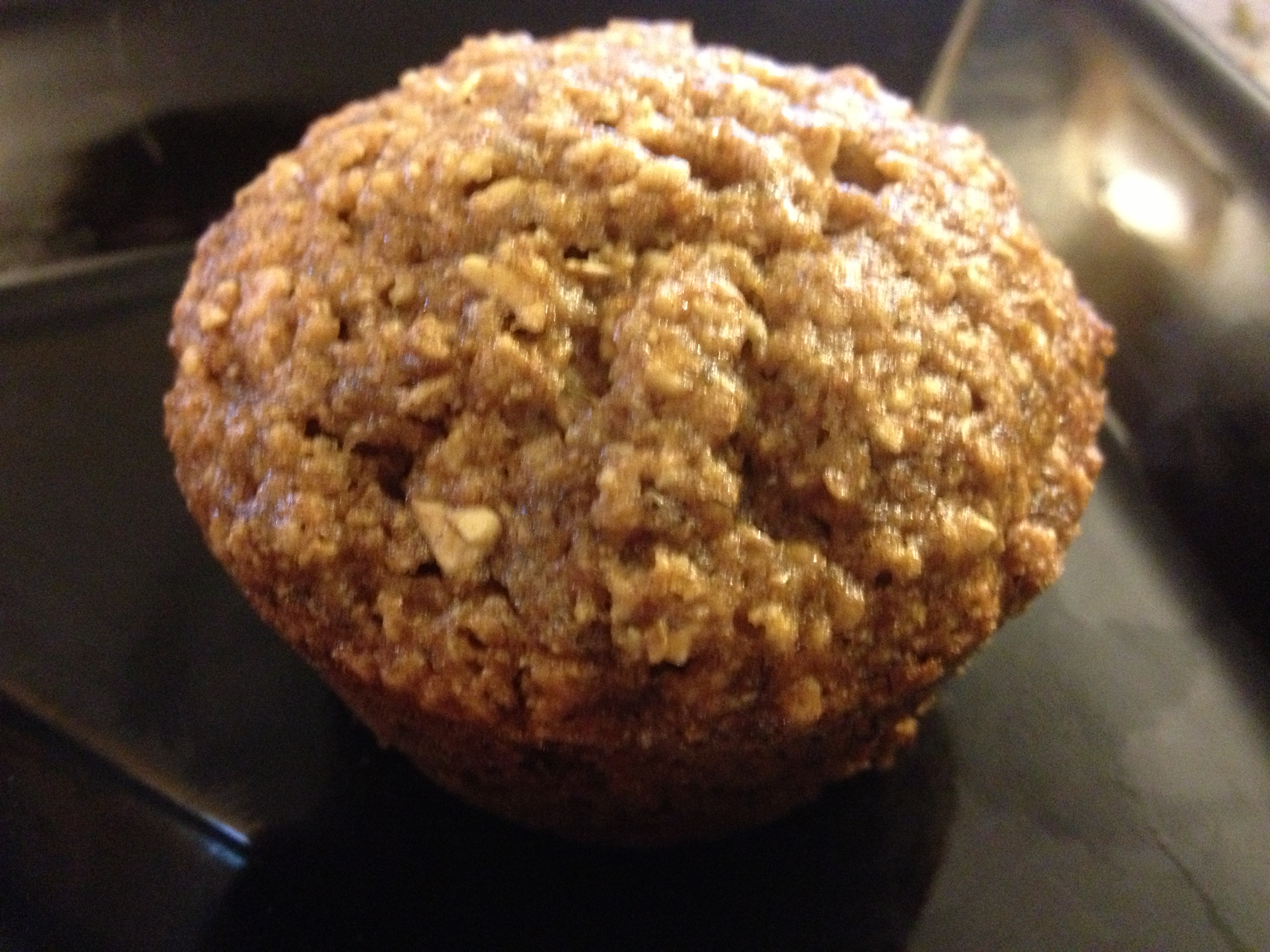
Healthy Banana Muffins cooling before we can take the first bite!
 

 INGREDIENTS:

3 medium ripe bananas
2 eggs
1 cup rolled oats
1 cup wheat flour
1/2 cup honey
1 teaspoon cinnamon
1 teaspoon baking soda
1 teaspoon kosher salt
1 teaspoon pure vanilla extract

INSTRUCTIONS:
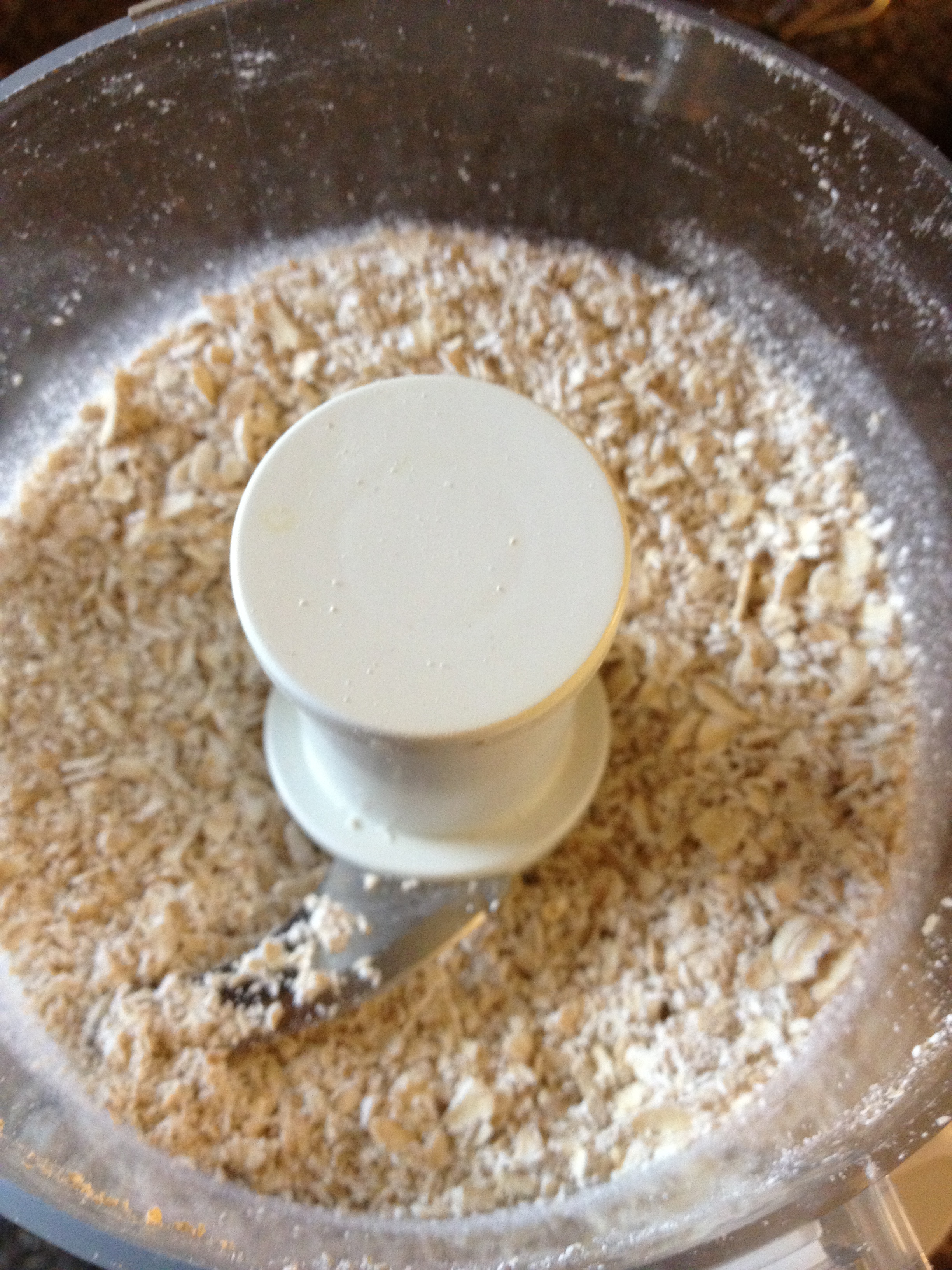
**Hint - grind down the rolled oats in a food processor for a finer consistency
**Hint – grind down the rolled oats in a food processor for a finer consistency

Preheat oven to 325 degrees F
1. Mash bananas in a large mixing bowl  until lumps disappear.  Add eggs, one at a time. Mix well.  Add honey and mix until combined.
2. In a separate bowl, combine flour, oatmeal, salt, baking soda, and cinnamon.
**Hint – I place the oatmeal in my food processor and pulse it to make it more like a powder consistency before I add it to the mixture.  This produces a muffin that is less like an oatmeal muffin, and more like a moist banana muffin.
3. On low speed, add dry mixture a little at a time to the banana mixture.  Once incorporated, add vanilla and mix just until combined.
Ready for the oven!
Ready for the oven!

**Hint – When using wheat flour, it is important to not over-mix your batter.  Over mixing results in dense, thick dough.
4. Place in a lined muffin tin – fill each muffin cup 2/3rd’s full.
5. Bake at 325 degrees F for approximately 20-25 minutes.
6. Cool for a few minutes, then remove to finish cooling on a cooling/baker’s rack.

Healthy Whole Wheat Banana Muffin - No white sugar, brown sugar or white  flour

Thank you oldworldgardenfarms.com for this yummy recipe!
 

Sunday, December 29, 2013

BANANA PUDDING CAKE

Ingredients
 

1 box yellow cake mix (& ingredients to make cake)
2 box (small) instant banana pudding
4 c milk
8 oz whipped topping
20 vanilla wafers, crushed
sliced bananas - use your own judgment

Directions

1. Prepare cake in 9 x 13 pan according to directions on box. When golden, remove from oven and let cool for a few minutes.
2. When just slightly cooled, use the handle end of a wooden spoon to poke holes into the baked cake. Don't be shy; make the holes big enough for the pudding to seep into and go deep enough with the spoon that you hit the bottom of the pan.
3. Next, prepare pudding mixture. Combine 4 cups of milk and pudding mix; whisk until fully combined and there are no lumps.

 4 Now it's time to fill those holes! Pour the pudding mixture ver the entire cake, taking care to get it into all your holes. Use the spoon to help really get it into the cake and spread evenly.
5 Refrigerate for about two hours... or until set. Top with whipped topping, crushed vanilla wafers and sliced banana!

Friday, July 05, 2013

Easy Cobbler.. and Weight Watcher Friendly!

Yummy, Easy and Weight Watcher friendly!

Ingredients:
Two 12-oz bags frozen mixed berries or peaches
1 box white cake mix (no pudding)
1 can of diet 7-up or sierra mist (clear soda)
Instructions:
Place frozen fruit in a 9x13 baking dish. Add dry cake mix over the top. Pour soda slowly over cake mix. DO NOT stir the cake mix and the soda - this will give you a 'crust'. If you stir the two, you will have a cake like topping.
 

Bake 350 for 45-50 minutes 


The Greatest Queso Ever!

1 block (32 Oz. Block) Velveeta Cheese
1 package (8 Oz. Package) Cream Cheese
1 can (10 Oz. Can) Rotel
1 can (10.75 Oz. Can) Cream Of Mushroom Soup
1 pound Ground Beef or Sausage

Brown ground beef or sausage (or both) in a pan over medium heat and set aside.
Cut up the Velveeta and cream cheese into cubes and place into a crock pot.
Pour in the Rotel and the cream of mushroom soup and stir ingredients together.
Place the crock pot on low setting for an hour, letting the ingredients meld.
After about 30 minutes, add the browned meat and continue to let cook, stirring as needed.


Wednesday, July 03, 2013

Easy Cheesy Bread-sticks

Just saw this recipe on a blog... looks oh so yummy!


Easy Cheesy Bread-sticks

Preparation time: 10 min
Cooking time: 13 min

Summary: These are so simple and a quick fix for guests that may drop in.

Ingredients:

1 (10 ounce) can prepared pizza crust
1 tablespoon butter, melted
1/2 cup provolone cheese, shredded
1 tablespoon parmesan cheese
1 tablespoon dried basil
1/4 teaspoon garlic salt

Instructions:

Preheat oven to 425.
Unroll pizza dough onto a greased cookie sheet and brush with butter.
Sprinkle cheeses and spices evenly over the dough.
With a pizza cutter, cut dough lengthwise into 12 long strips. Then cut those in half to make 24 strips.
Do not separate strips.
Bake for 10-12 minutes or until light golden brown.
Re-cut along each strip and remove from cooking sheet.
Serve sticks warm with marinara sauce.


Thanks - crazymoorefamily.blogspot.com


Tuesday, February 26, 2013

Rice-Stuffed Peppers

Rice-Stuffed Peppers Recipe Fix this wonderful, easy dish when you have company. The cheese sauce sets these stuffed peppers apart from any others I've tried. 
40 60 100  Ingredients  
2 pounds ground beef
1 medium onion, chopped
1 small green pepper, chopped
2 garlic cloves, minced
1-1/2 teaspoons salt
1/2 teaspoon pepper
3-3/4 cup
1 can (14-1/2 ounces) diced tomatoes, undrained
1 can (10 ounces) diced tomatoes and green chilies, undrained
1 can (15 ounces) tomato sauce
1 tablespoon ground cumin
3 cups uncooked instant rice
4 medium green peppers

CHEESE SAUCE: 
1-1/2 pounds process American cheese, cubed 
1 can (10 ounces) diced tomatoes and green chilies, undrained

Directions

In a Dutch oven, cook beef, onion, green pepper, garlic, salt and pepper over medium heat until beef is no longer pink; drain. Add the water, tomatoes, tomato sauce and cumin. Bring to a boil. Reduce heat; simmer, uncovered, for 10 minutes.  
 
Stir in rice; simmer, uncovered, for 5 minutes. Remove from the heat; cover and let stand for 5 minutes.  
 
Remove tops and seeds from the peppers; cut in half widthwise. Place in a large pan of boiling water; boil for 4 minutes. 
 
Drain peppers and stuff with meat mixture. Place remaining meat mixture in an ungreased 13-in. x 9-in. baking dish; top with stuffed peppers, pressing down gently. Cover and bake at 350° for 1 hour. In a saucepan, heat sauce ingredients until cheese is melted. Serve over peppers.
 
Yield: 8 servings.
 

Tuesday, January 29, 2013

Mama's Morning Casserole

Mama's Morning Casserole

Adapted from Gooseberry Patch Old-Fashioned Country Christmas .   I modified the recipe by using Dijon mustard instead of mustard powder and adding more cheese.  I prefer sharp cheddar  in this dish.   Makes 6 to 8 servings.  

6 eggs, beaten
2 cups milk
1 1/2 teaspoons Dijon mustard
1 teaspoon dried oregano
1 cup biscuit baking mix (I use Bisquick)
8 ounces sharp cheddar cheese, shredded
1 pound bulk pork sausage, browned, drained and cooled (I prefer Jimmy Dean Original)

To beaten eggs, add milk, mustard and oregano.   Whisk until blended.
  Add in baking mix, cheese and sausage.  Mix well with a heavy wooden spoon.
 Pour into a greased 9×13 casserole dish.   Cover and refrigerate overnight.
Bake in a 350 degree oven for  60 minutes or until browned.  Serve warm.


Friday, October 26, 2012

Fried Chicken

Can't wait to try this recipe!!  If you cook it before I do, let me know how it taste - please!


Fried Chicken


Vegetable oil (such as peanut), enough to cover chicken and allow it to float
3/4 cup milk
1 egg, beaten
2 teaspoons seasoning salt
1/2 teaspoon ground white pepper
1 whole frying chicken cut into pieces, or about 8 individual pieces of chicken
2 cups flour
In a deep, heavy skillet, large pot, or Dutch oven, heat the oil to 325 degrees. In a bowl, mix milk, egg, salt, and pepper. Dip chicken pieces in the egg mixture, then dredge in flour, shaking off excess. Put chicken pieces in skillet a few at a time. Be careful not to crowd them and adjust heat to keep temperature even. Fry until done; pieces will float to the top. (Remember, thighs and legs take a little longer to cook.) Serves 4 to 6.

This recipe comes courtesy of Tom Perini of Perini Ranch Steakhouse in Buffalo Gap and was featured in our Cook Like a Texan series from April 2011. 


Saturday, July 28, 2012

Slow Cooker Salisbury Steak


This recipe goes together quickly and does not need a lot of time in the slow cooker. It's a delicious way to add flavor to ground beef and the children love it! The gravy is delightful served over mashed potatoes.

 Ingredients

  • 2 pounds lean ground beef
  • 1 (1 ounce) envelope dry onion soup mix
  • 1/2 cup Italian seasoned bread crumbs
  • 1/4 cup milk
  • 1/4 cup all-purpose flour
  • 2 tablespoons vegetable oil
  • 2 (10.75 ounce) cans condensed cream of chicken soup
  • 1 (1 ounce) packet dry au jus mix
  • 3/4 cup water

Directions

  1. In a large bowl, mix together the ground beef, onion soup mix, bread crumbs, and milk using your hands. Shape into 8 patties.
  2. Heat the oil in a large skillet over medium-high heat. Dredge the patties in flour just to coat, and quickly brown on both sides in the hot skillet. Place browned patties into the slow cooker stacking alternately like a pyramid. In a medium bowl, mix together the cream of chicken soup, au jus mix, and water. Pour over the meat. Cook on the Low setting for 4 or 5 hours, until ground beef is well done. 
 

Monday, June 18, 2012

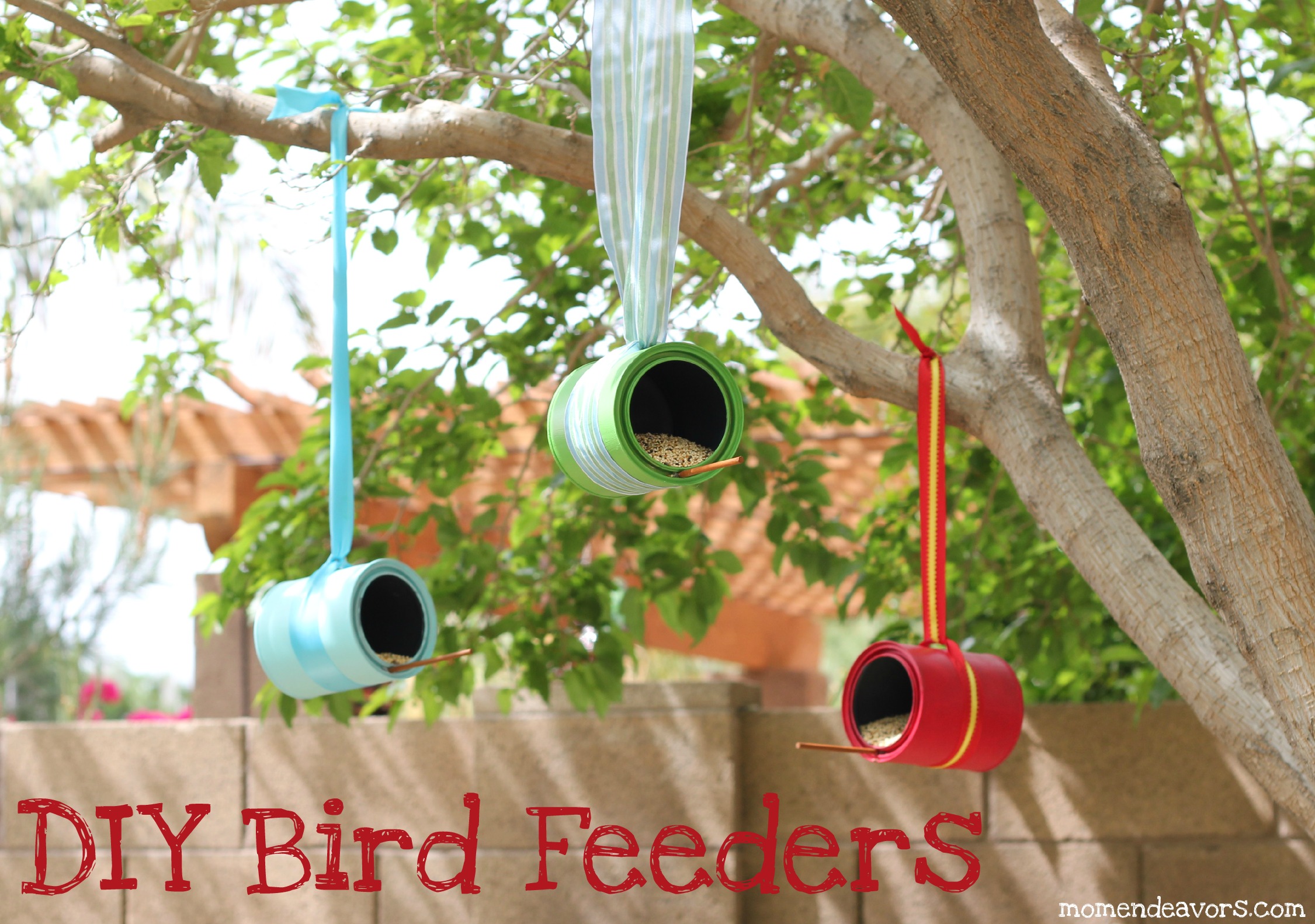
DIY Bird Feeders


Love this DIY Bird Feeders from www.momendeavors.com


Special Blend Bird Seed

This month’s Lowe’s Cre­ative Ideas blog­ger chal­lenge was all about the birds! And, with spring most def­i­nitely here, it was a fit­ting chal­lenge. As always, the tough­est part was just fig­ur­ing out what to do. We decided that we liked the idea of a bird feeder bet­ter than a bird house–

 So, here’s what they came up with:

Can you tell what they’re made from? They were easy to do–even some­thing the kid­dos can help with! And, I love the pop of color we have out­side now.

Cozy Den Bird House

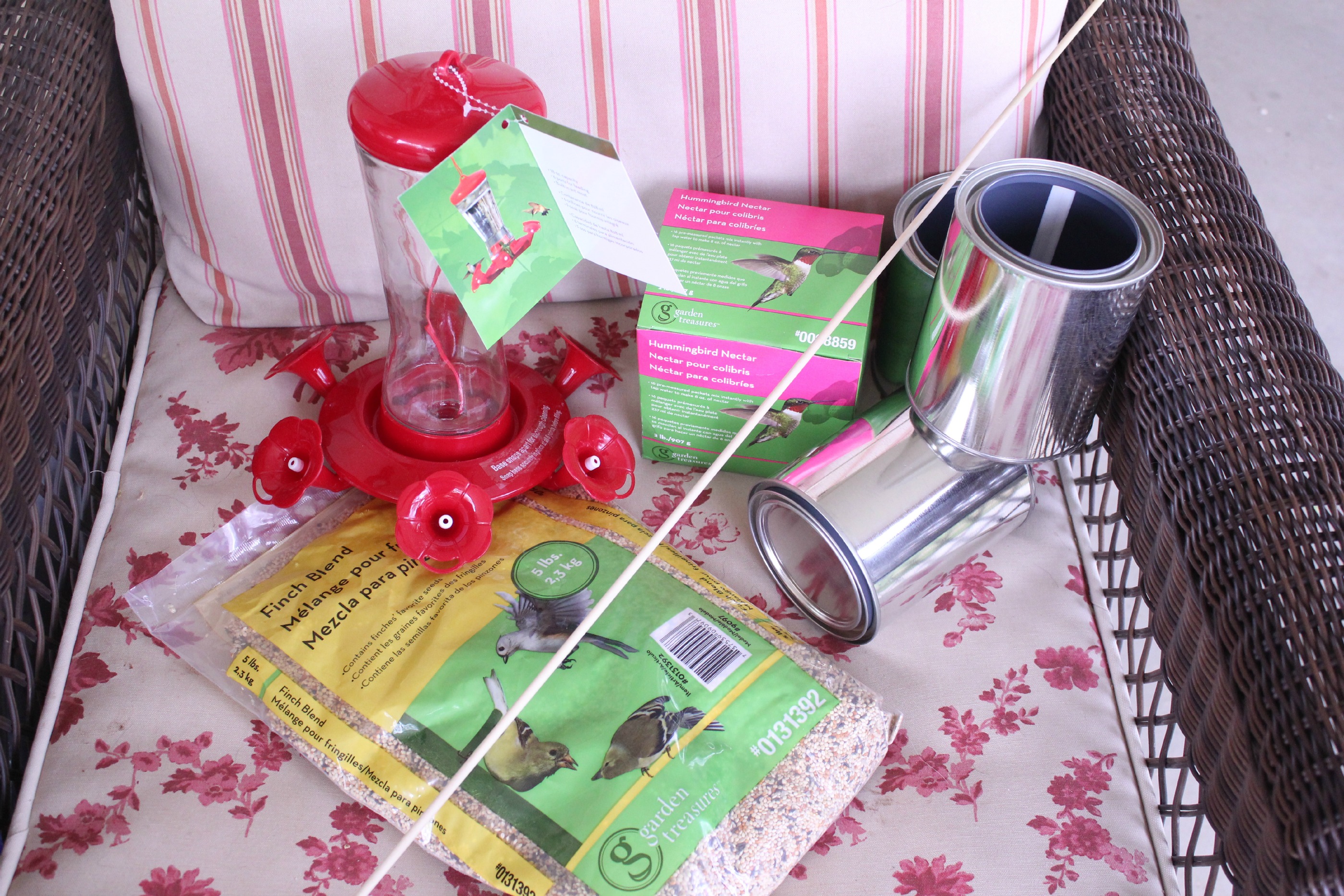
Here’s the bird chal­lenge sup­plies picked up at Lowe’s:

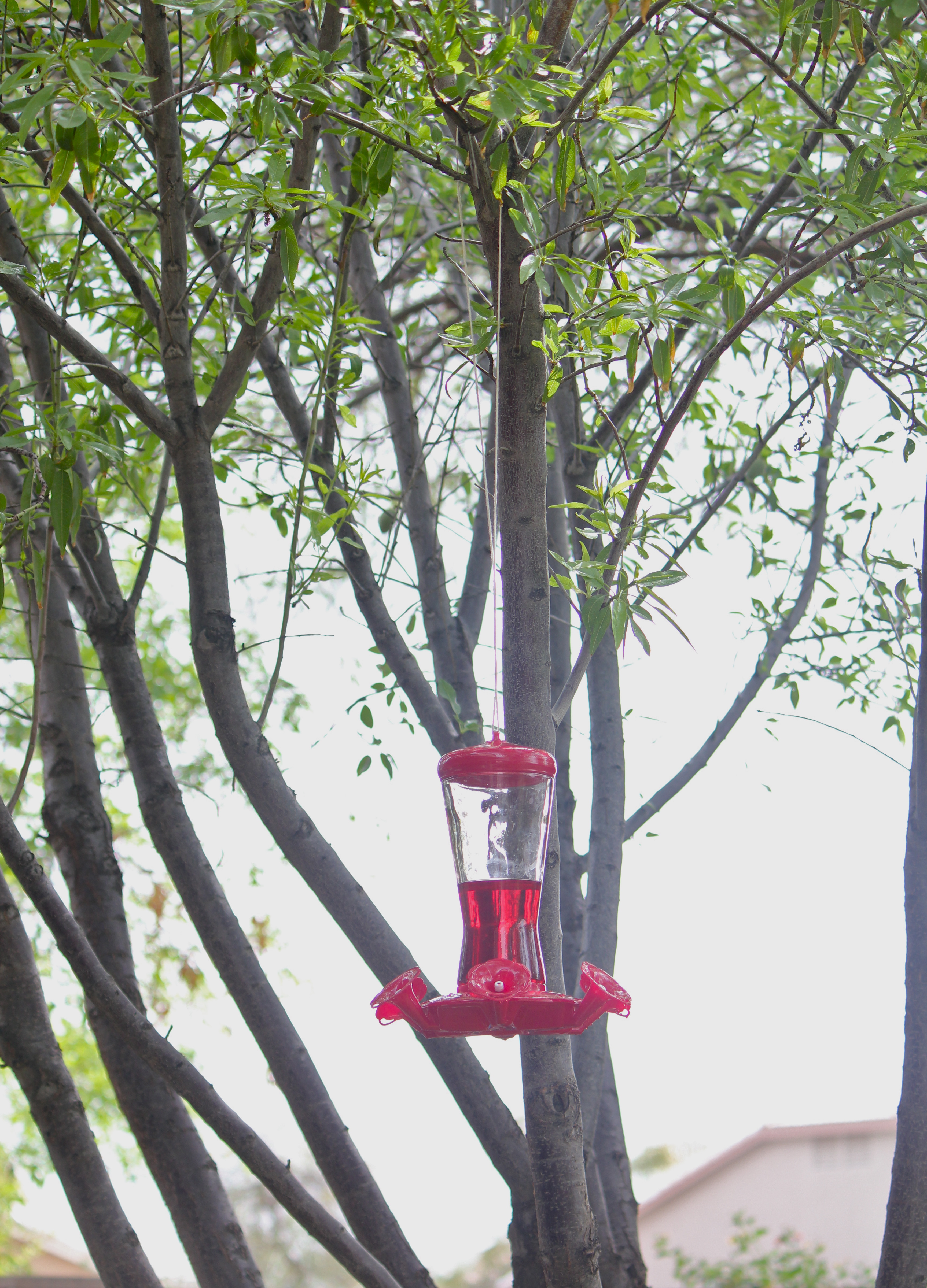
- 3 small paint cans, a 3/16″ wooden dowel, finch food, a Hum­ming­bird feeder & Hum­ming­bird food! Now, of course, the hum­ming­bird stuff wasn’t part of our DIY project. But, since we were think­ing of our lit­tle feath­ered friends, we had to get some­thing for our beau­ti­ful desert hummingbirds–like this guy:Hope­fully they’ll come around even more often now that we have a new feeder filled with that super sug­ary red liquid!


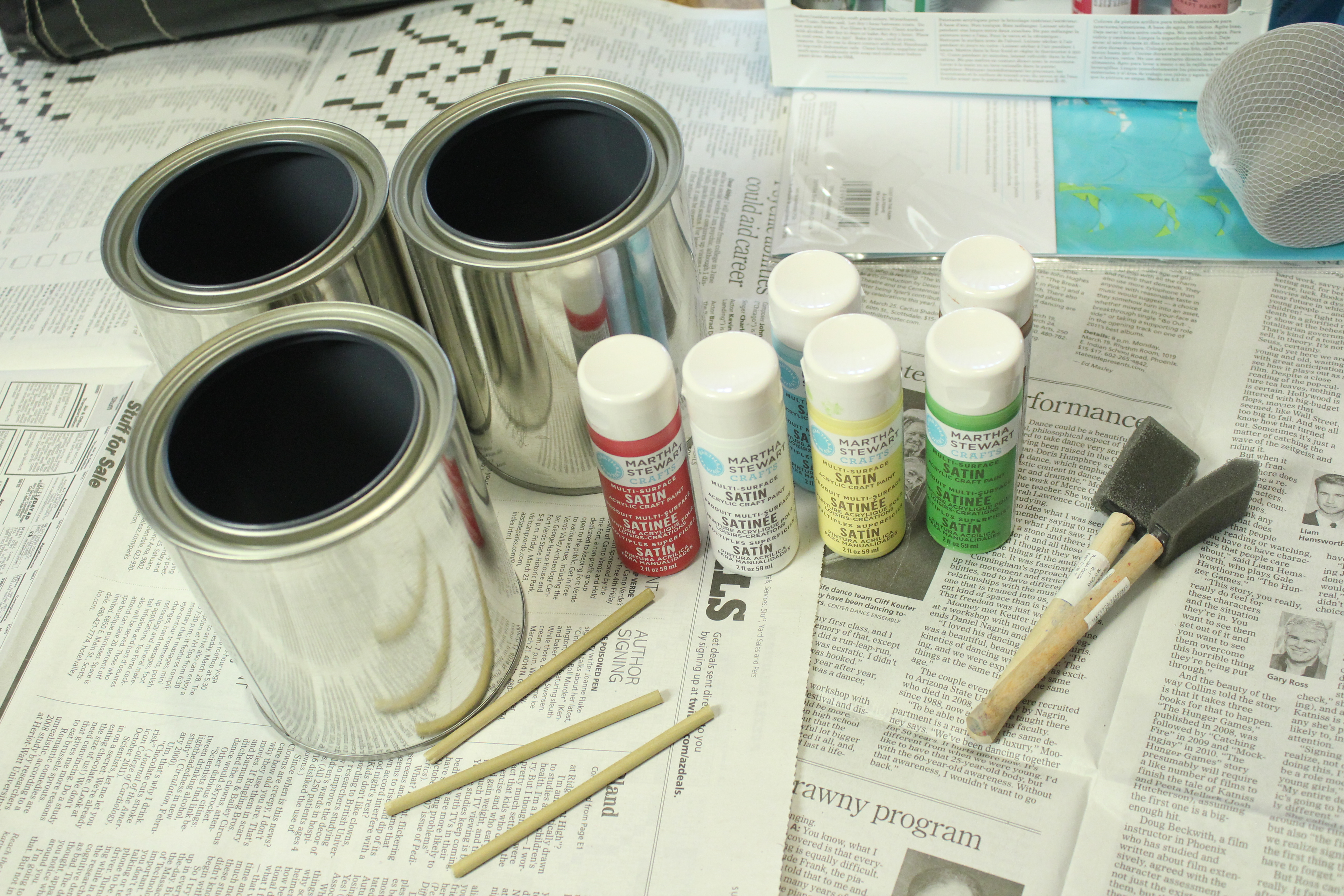
Ok, now back to our project.… Cut­ part of the dowel into 4 inch pieces (one for each paint can). Then  work on spruc­ing up the paint cans. 


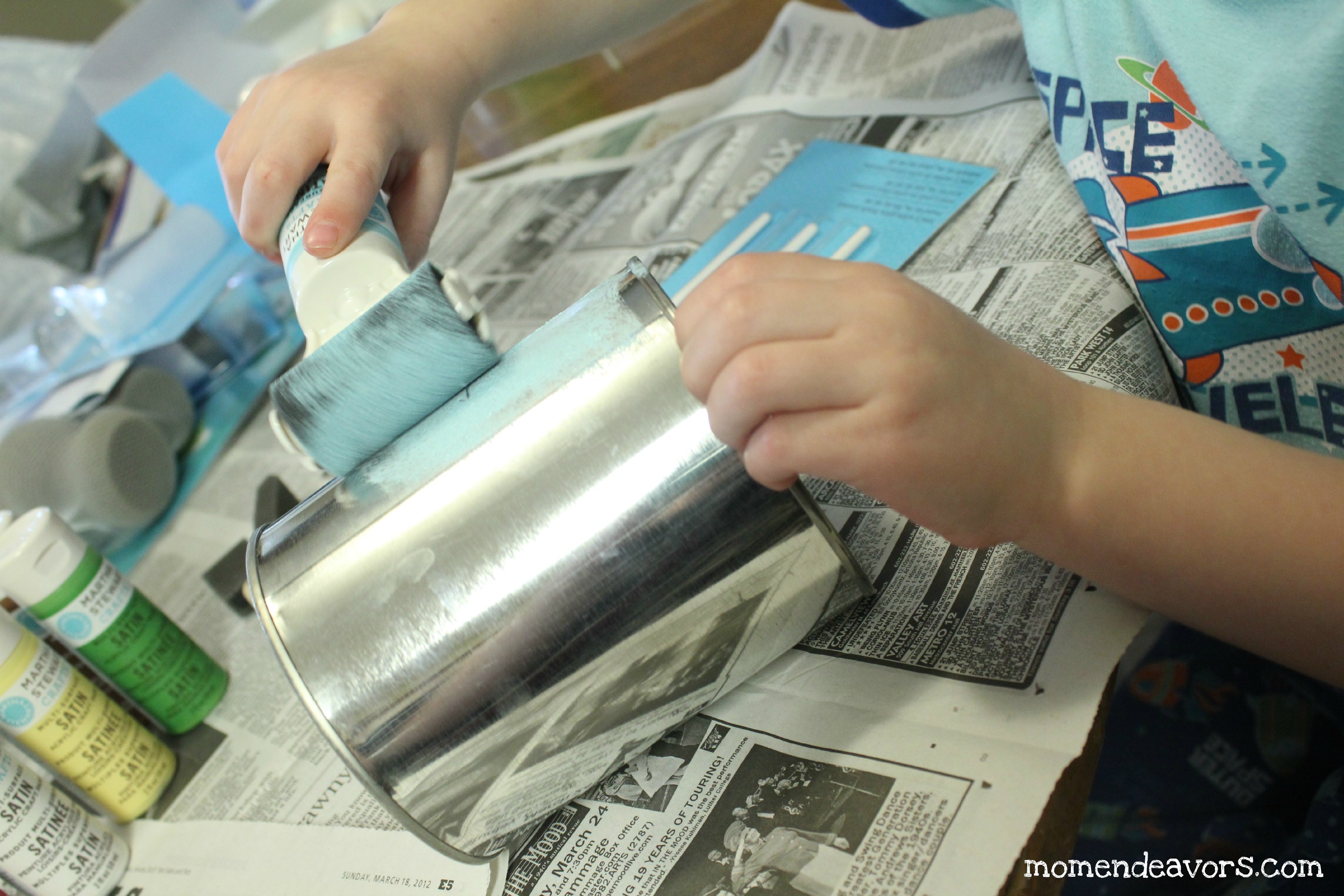
 paint the three cans and the dowel pieces.

Classic Series Arts and Crafts Bird House

Once those had a good while to dry,  put a lit­tle bead of hot glue on the inside grove of the top of each paint can (where the lid would snap into) and stick a dowel piece in. Then, you will need some­thing to hang them.

Quick & easy project and pro­vides such a cute look out by the gar­den. And, here’s the best part…our fine feath­ered friends have already taken notice! Here’s what we saw when we came down­stairs this morning:

Build it and they will come!”"

 Covered Bridge Bird Feeder in Victorian White


Tuesday, June 12, 2012

Easy to Grow Veggies!


So, you say you have no time for a vegetable garden. Or, you are convinced that your thumb is definitely not green. Give these five tasty vegetables a try. You'll be surprised at how much fresh produce you can get for the amount of work you'll need to put in.

1. Beans


Forever Garden Vegetable Seeds - Emergency Food

If you are going to grow beans, the best advice I can give you is to be sure you actually like to eat beans. Beans (specifically pole beans) are prolific, providing you with an almost constant harvest for several weeks during the summer. For a more manageable amount of produce, consider growing bush beans. In addition to not requiring the trellising that pole beans require, bush beans tend to produce one or two harvests during the season, so you don't have to worry about harvesting continuously to keep the plants productive. Beans require at least six hours of sun per day and regular watering, especially when they are blooming and fruiting.

2. Lettuce


 Organic Tomato & Vegetable Planting Mix

Whether you grow it in a traditional garden bed, a window box, or a flower pot, lettuce is an easy and rewarding vegetable to grow. The main issue with lettuce is that it abhors hot weather, and will bolt in no time once the temperatures start to soar. Look for heat-tolerant varieties, such as 'Black-Seeded Simpson,' to prolong your harvest. Alternately, plant them in an area that gets a bit of afternoon shade. Keep your lettuce well watered, and grow cut-and-come again or loose-leaf varieties, which will provide plenty of lettuce for salads throughout the growing season.

3. Leafy Greens


Frontier Natural Products

Many of the leafy greens (kale, collards, spinach, mustard greens, chard) are even easier to grow than lettuce, and are full of essential vitamins and minerals. While spinach is infamous for bolting as soon as the weather warms, crops such as swiss chard and kale will keep producing happily in even the hottest weather. Like lettuce, leafy greens can either be grown in a traditional garden bed or in a container, making them a very convenient crop. In fact, a colorful glazed pot of 'Bright Lights' swiss chard is as ornamental as it is practical. Greens require regular moisture, soil with plenty of organic matter, and at least four hours of sun per day to thrive.

4. Summer Squash


I Buy Local Fruits & Vegetables

There's a reason that the cliche of a gardener leaving bushels of zucchini on the doorsteps of unsuspecting neighbors is so prevalent. If you give a zucchini plant full sun, good soil, and plenty of water, the fruits will seem to grow before your eyes. Given their prolific nature, you really only need two or three plants to feed a family of four throughout the summer. Yellow squash tends to be a bit less prolific than zucchini, but you'll still be growing a bounty of squash either way. For a nice change, try switching the traditional zucchini for something like 'Eight Ball' zucchini, which are small and round. They are too large to grow in containers, and take up a fair amount of space in the garden, but they are worth it.

5. Tomatoes


Great Vegetarian Cooking Under Pressure

Yes, tomatoes are easy to grow. I'll never understand why some people think tomatoes are a tricky crop. Have you ever thrown a tomato into your compost pile? If you have, you'd know that the next season, you end up with tens to hundreds of little tomato seedlings. All tomatoes need are warm temperatures, eight or more hours of sunlight per day, and even moisture. Give them a soil that is rich in organic matter, fertilize them monthly with a good, balanced organic fertilizer, and let them go. You don't even have to stake or cage them if you don't want to. They'll grow just fine sprawled out on the ground. For a truly worry-free tomato growing experience, choose hybrid varieties, which are usually more disease-resistant than heirlooms.


Saturday, May 05, 2012

Homemade Pesticide Recipe

How would you like to know a few homemade pesticide recipes that are not only safe, but will cost you next to nothing?

It's still possible to keep your garden free from pests without toxins and harmful chemicals.
Most chemical pesticides are toxic to humans as well as pets and small animals that may enter your yard or garden. That's why homemade pesticides make a lot more sense.

"Gardener Seat and Tools in Green"

Here are a few of the most common homemade pesticide recipes for your houseplants, yard and garden.

Homemade Pesticide For Snails and Slugs
Diatomaceous earth is a powder-like dust made of tiny marine organisms called diatoms. It is effective on soft-bodied insects as well as snails and slugs. Just spread it on top of the soil and it works by cutting and irritating these soft organisms yet is harmless to other organisms. You can also put out shallow dishes of beer to trap snails and slugs.

To Keep Bugs Away From Houseplants
This is the safest natural pesticide for any home gardener and is effective on a variety of bugs and insects. Mix 3 tablespoons of liquid detergent into a gallon of water. Use in a sprayer bottle for houseplants.

Another Bugs Away From Houseplants Mix
To keep bugs away from houseplants, mix 1 clove garlic, 1 small hot pepper and 1 quart water in a blender. Pour into a spray bottle and apply to plants. Putting hot sauce on a cotton ball in a house plant pot will also repel pests.

Cabbage worms and Spider Mites Mix
For garden pests like cabbage worms and spider mites, mix 2 tablespoons of salt in 1 gallon of water and use in a sprayer bottle.

To Control Garden Pests
Gather together a collection of dead bugs, crush them up and mix with water. Strain the mix until it will come out of a spray bottle. Only use this mix outside.

Spearmint Hot Pepper Horseradish Spray
This is effective on many different kinds of outside bugs and insects and should be an outside spray.
1/4 cup of hot red peppers
1/2 gallon water
1/4 cup of fresh spearmint
1/4 cup horseradish, both root and leaves
1 tablespoons of liquid detergent
1/4 cup green onion tops
Mix the spearmint leaves, horseradish, onion tops and peppers together with enough water to cover everything. Then strain the solution. Add a half-gallon of water and the detergent. You can use this to spray almost any plant safely. Store the mixture for a few days in a cool place.

Natural Pesticide for Aphids and Whiteflies
Mix a few drops of dishwashing detergent with water and spray on plants leaves. This is extremely effective in controlling many soft-bodied insects such as aphids and whiteflies.

Homemade Pesticide For Roses
In your blender make a solution of leaves from a tomato plant 4 pints of water and a tablespoon of cornstarch. Strain the mix and spray on roses as a natural pesticide. Keep any unused spray refrigerated.
Natural pesticides can work well for any home gardener and are much safer for you and your family. After you try a few of these recipes you'll understand that they really work. If you want to control pests naturally instead of chemically, homemade pesticides may be the ideal choice.


By

Article Source: http://EzineArticles.com/?expert=Gary_Gresham

Friday, April 13, 2012

Bar of Soap to Liquid Soap

Turn A Bar of Soap Into Liquid Hand Soap

savvyhouskeeping how to turn a bar of soap into liquid hand soap
I have a confession to make. I don’t like bar soap. It gets dirty and takes a long time to use up, so I usually get fed up with it and throw it in the trash.
Despite this, people seem to like to give me bar soap, which I feel guilty not using. So I have been buying liquid hand soap at $3 a bottle and putting the bar soap in a box with the intention of somehow finding a use for it.
Then it occurred to me that I might be able to convert the bar soap into liquid hand soap. Why didn’t I think of it before? I did some research and found out that it is easy to do. All it takes is melting the soap with water, adding a little vegetable glycerin, and voilà, you have made liquid hand soap.
savvyhouskeeping how to turn a bar of soap into liquid hand soap
So I tried it and was thrilled to find that it works great! From one bar of soap, I made close to 2 liters of hand soap, which will last a long time. The only thing I purchased for this project was a $2 bottle of glycerin at my local drug store:
savvyhouskeeping how to turn a bar of soap into liquid hand soap
Glycerin is made from plant oils and is commonly used in soaps, shampoos, moisturizers, etc. Since bar soap already has glycerin in it, I tried this experiment both ways, with and without the added glycerin. I found that the below recipe worked fine without the glycerin, except that the soap tended to clump and didn’t have as smooth a texture. It made enough of a difference that I would recommend adding the glycerin, but you can also try the recipe without it, if you wish.

How To Turn A Bar of Soap Into Liquid Hand Soap

Ingredients:
    1 c soap flakes
    10 c water
    1 Tbs glycerin

Equipment:

    Cheese grater
    A large pot
    Measuring cup and spoons
    A spatula for stirring
    A soap container with a hand pump
    A container to hold excess soap
    Funnel

Directions:

First, grate the soap. Get out your cheese grater, grab the soap, and get grating. I found this to be surprisingly easy, although the soap particles tend to float in the air as you grate. You can wear a mask to avoid breathing it in. When you’re done, the soap flakes look like grated Parmesan:
savvyhouskeeping how to turn a bar of soap into liquid hand soap
One bar of soap yielded a little over 1.5 cups of flakes. The recipe only uses one cup of soap flakes, so I put the remaining soap in a jar for later use.
In a large pot, combine 1 cup soap flakes, 10 cups water, and 1 Tbs glycerin. Turn on medium-low heat and stir until the soap dissolves. This happens fast, about a minute or two.
Let the soap cool completely, then pour into the containers using the funnel. That’s all there is to it!
savvyhouskeeping how to turn a bar of soap into liquid hand soap
As I mentioned, this recipe makes a lot of soap, about 6 bottles worth. I put the excess in a large bottle and am storing it under the sink. When I run out, I will simply pull out the big bottle and funnel some more into the smaller bottle.
You can also use this soap as body wash. To make it smell nice, add a drop or two of essential oil to the mix.
As I mentioned, the only thing I bought for this experiment was the glycerin. I reused the bottles and the soap was a gift. (Alternately, I could have saved soap slivers and made the hand soap that way.)
In the end, I used about $.40 worth of glycerin to make the equivalent of 6 bottles of hand soap. That’s a savings $17.60, well worth the half hour of my time it took to make the soap.
savvyhousekeeping dove soap liquid hand soap
UPDATE: I tried this with Dove Sensitive Skin Soap too. If you want to turn a bar of DOVE soap into liquid soap, click here for the recipe.

ETA: The kind of soap you use may be a bit of a wild card, since every soap will have different ingredients in it. I got the best results with a bar of Yardley soap, which did not even need the glycerin to become hand soap. In general, a higher quality soap will probably yield better liquid hand soap.
Dove Sensitive Skin Beauty Bar seems to be more difficult to turn into hand soap, which I would guess has something to do with the “sensitive” formula.
ETA II: I’m happy so many of you are finding this recipe helpful. If you are having trouble, such as thin or watery soap or “snot-like” (?) soap, I encourage you to read through the comments. Lots of people have reported back with their experiences with the recipe. It seems that sometimes letting the soap sit to thicken in the pot or hacking it with a hand blender to loosen it does the trick.
ETA III: For a solution on getting the soap to lather, try a foaming soap dispenser.

Sunday, April 08, 2012

Wild Edible Plants

Ok all you Naturalist out there! It's time to bring out the NATURE in you!! Thought this site was very interest....

The Hidden Food in Your Yard - You May Walk by It Every Day...

Story at-a-glance

  • Many varieties of wild plants offer great nutritional benefits.
  • Purslane might be the richest source of plant-based omega-3 fats, as well as being loaded with vitamins A, C, and E.
  • Even a high-quality, nutritious wild plant or herb can cause an unexpected reaction in some people. Try them one at a time and in SMALL amounts to see how your body is going to react.
  • It's a good idea to compile a library of books and field guides about wild edibles, as well as familiarizing yourself with toxic look-alikes to avoid. There is even a wild edible iPhone application to help you on your quest.

By Dr. Mercola
A major part of achieving optimal health is living in partnership with nature.
Growing your own food is a great way to rekindle this connection with nature.
But have you thought about eating plants that grow wild—perhaps in your own backyard?
Some "weeds" can be delicious if prepared properly, and they are absolutely free.
In an article published earlier this summer, Live Science collected some easy-to-identify healthful weeds, including:
  • Dandelion: The entire plant is edible, and the leaves contain vitamins A, C and K, along with calcium, iron, manganese, and potassium.
  • Purslane: Purslane tops the list of plants with omega-3 fats.
  • Lamb's-quarters: Lamb's-quarters are like spinach, except healthier, tastier and easier to grow.
  • Plantain: Not the better-known banana-like plant with the same name.  It has a nutritional profile similar to dandelion.
  • Stinging Nettles: If you handle them so that you don't get a painful rash from the tiny, acid-filled needles, these are delicious and nutritious cooked or prepared as a tea.
This is of course how our ancestors ate. They hunted and gathered, and ALL of it was wild. And by all accounts, they were far healthier than we are.
Of course, like anything else, identification and use of wild plants requires spending some time educating yourself, lest you eat something inedible or even poisonous. But with some attention to learning what to look for, you can avail yourself of some of the most highly nutritious, health-promoting plants for FREE—and have a lot of fun doing it. With the availability of the Internet, in addition to a number of excellent printed books and even wild-food foraging classes, this information is now easy to access.
So, grab your favorite weeding tool and a basket, and step outside to see what little gems you can find in your own backyard!

Major Groupings of Wild Edible Plants

Plants are classified into groups based on their botanical family, and there are hundreds of families within the plant kingdom. For the purpose of this article, we will focus on a few select members of the following five families:
Purslane family (Portulacaceae), includes miner's lettuce, red maids, rose moss and purslane Sunflower family (Asteraceae), includes dandelions, daisies, and thistle (largest plant family with more than 22,000 species) Goosefoot family (Chenopodiaceae), includes spinach, Swiss chard, beets, quinoa, and lamb's quarter
Plantain family (Plantaginaceae), includes common plantain, water plantain, and Northern plantain Nettle family (Urticaceae), includes stinging nettle, wood nettle, and clearweed

Purslane

First, let's take a look at the rock star of wild edibles: purslane—from the Purslane family, of course.
purslanePurslane, or Portulaca oleracea (also called duckweed, fatweed, pigweed, pusley, verdolaga, ma chi xian in Chinese, munyeroo, or wild portulaca) is the omega-3 powerhouse of the vegetation kingdom, and there's a high probability it's growing in your yard right now. According to Mother Earth News, it's the most reported "weed" species in the world.
Purslane looks very much like a miniature jade plant, with fleshy succulent leaves and reddish stems. The stems grow flat to the ground and radiate outward from a single taproot, sometimes forming large, flat circular mats up to 16 inches across. In about mid-July, purslane develops tiny yellow flowers about one quarter inch in diameter. Seeds of purslane are extremely tough, some remaining viable in the soil for 40 years. A single purslane plant can produce up to 200,000 seeds! And purslane can grow in almost anything, from fertile garden loam to the most arid desert soil, and even in your rock driveway.
Be careful not to confuse purslane with spurge, because they can look similar, and spurge will make you sick. This video shows you how to tell them apart. In the plant kingdom, similar appearing plants often grow next to each other—and often one is poisonous! Purslane has a stellar omega-3 fatty acid profile, compared to other vegetables. As you can see from the chart below, purslane beats all of the other veggies for omega-3s.
Omega-3 Levels in Common Foods
Romaine lettuce, 1 cup, 53 mg Purslane, 1 cup, 300-400 mg
Flaxseed oil, 1 Tbsp., 7196 mg Broccoli, raw, 1 stalk, 147 mg
Chia seeds, 1 ounce, 4915 mg Cauliflower, ½ cup, 104 mg
Walnuts, 1 ounce, 2542 mg Spinach, 1 cup, 41 mg
Walnut Oil, 1 Tbsp., 1404 mg  

In addition to its bounty of omega-3 fatty acids, purslane has other nutritional benefits:
  • SIX times more vitamin E than spinach
  • SEVEN times more beta carotene than carrots, providing 1320 IU/100g of vitamin A (44 percent of the RDA), which is one of the highest among green leafy vegetables
  • 25 mg of vitamin C per cup (20 percent of the RDA)
  • Rich in magnesium, calcium, iron, riboflavin, potassium, phosphorous and manganese
Purslane is reportedly beneficial if you have urinary or digestive problems, and has antifungal and antimicrobial effects. It has also been found useful for skin conditions such as acne, psoriasis, and sunburn. Some people compare purslane's taste to spinach or watercress, with a "crunchy lemony" flavor. Look for tender young leaves and stems, which are good in salads or sandwiches. Purslane is also rich in pectin, so it can be used to thicken soups and stews. According to Weston A. Price Foundation, the ancient Greeks made a bread flour from Purslane seeds and pickled its fleshy stems; the Mexicans enjoy it with eggs and pork, and the Chinese toss it with noodles.
If you need a little culinary advice, there are quite a few purslane recipes out there—check out Prairieland CSA, Weston A. Price, Sunset Part CSA, and Epicurious.

Dandelion

dandelionYou are probably already familiar with dandelions. There isn't a yard in America that hasn't sprouted a dandelion or two, usually greeted with vitriol by gardeners everywhere. But, in the words of The Daily Green,
"If you can't beat 'em, eat 'em!"
Every part of the dandelion is edible and full of nutrition. Dandelion, or Taraxacum officinale, is part of the Sunflower Family (Asteraceae). It also goes by other common names, including priest's crown, Irish daisy, monk's head, blowball and lion's tooth. Dandelions have antioxidant properties and contain bitter crystalline compounds called Taraxacin and Taracerin, along with inulin and levulin, compounds thought to explain some of its therapeutic properties.Dandelions offer you a wealth of nutrition!
They contain:
One of the richest sources of beta carotene of all herbs (10161 IU per 100g, which is 338 percent of the RDA) Numerous flavonoids, including FOUR times the beta carotene of broccoli; also lutein, cryptoxanthin and zeaxanthin Possibly the HIGHEST herbal source of vitamin K 1, providing 650 percent of the RDA
Vitamins, including folic acid, riboflavin, pyroxidine, niacin, and vitamins E and C Great source of minerals, including magnesium, calcium, potassium, manganese, and iron Leaves rich in dietary fiber, as well as a good laxative
Dandelions are found abundantly in fields, lawns and meadows. They have a long, stout taproot from which long, jagged dark green leaves radiate. The yellow flower rises straight up from the root, which matures into the fluffy white puffball you remember blowing away as a child. All parts of the plant exude a milky white "latex" fluid, if broken. The root is filled with a somewhat "yam-like" white pulp and can be harvested in summer for medicinal purposes. The Japanese actually use the root in cooking. dandelion
Dandelion leaves can be used in salads, soups, juiced, cooked the same way as spinach, or dried (with flowers) to make dandelion tea. The root can be dried and roasted and used as a coffee substitute, and the flowers can be used to make dandelion wine.
Dandelions are known for the following therapeutic properties:
  • Laxative and diuretic; useful for premenstrual bloating and edema
  • Normalizing blood sugar and cholesterol (dandelion root)
  • Tonic; appetite stimulant and a good general stomach remedy
  • Liver cleanser; remedy for liver and gall bladder problems
  • Agent for treating burns and stings (inside surface of flower stems)
Dandelions also have antiviral effects so may be useful in combating herpes and AIDS. For more information on the nutritional and medicinal properties of dandelions, go to this article by Leaf Lady. Be careful not to confuse dandelion plants with Hawksbeard, which can look very similar. Hawksbeard won't kill you, but it certainly doesn't offer the great nutritional benefits of dandelion. Here is a video showing how to tell them apart.

lamb's quarterLamb's Quarter

The third weed-gem is called Lamb's quarter (or Chenopodium album), also called goosefoot, wild spinach, pigsweed or fat-hen. Lamb's quarter is a European relative of spinach and beets. It can be found along roadsides, in overgrown fields, on vacant lots, in disturbed soil, and is probably growing in your own backyard. The plants get to be quite tall, reaching up to 6 feet or even taller. But after flowering, they are usually found lying down if not supported by neighboring plants.
Lamb's quarter has diamond shaped leaves with shallow "teeth" and a telltale white, waxy powder on the undersides of its leaves, which makes identification relatively easy. This powdery substance gives it a dusty appearance at a distance, which is why lamb's quarter is sometimes called "white goosefoot."
Lamb's quarter contains:
  • A whopping 11,600 IU of beta carotene per half cup (compared to 6500mg for Swiss chard, and 8100mg for spinach)
  • 300mg calcium per half cup (compared to 88mg for Swiss chard, and 93mg for spinach)
  • More than 4 percent protein
Lamb's quarter is also rich in vitamin C, riboflavin, folate, magnesium, potassium, vitamin E, B6 and thiamine. Wild spinach is much more nutrient rich than its cultivated cousin and tastes very similar. You can prepare lamb's quarter in the same ways as you fix regular spinach. Make sure your specimen is CLEAN because lamb's quarter is a "purifier herb" that pulls pollutants out of the soil, concentrating them in the leaves.
For a few recipes, click here and here.
According to Wildman Steve Brill, lamb's quarter, which is odorless, looks much like a mildly poisonous plant called epazote, which smells resinous—so become familiar with both so you don't confuse the two. Here is Steve's video tutorial on lamb's quarter, with lots of visuals to help you learn to identify it.

Plantain

plantainPlantains, or Plantago major, have a family all their own—the Plantain family (Plantaginaceae). It goes by many names, including common plantain, broadleaf plantain, ripple grass, waybread, snakeweed, Cuckoo's bread, Englishman's foot and White Man's foot, because it was said to grow wherever your feet touch the ground. By the way, this is not at all related to the banana-like fruit called "plantain," which is part of the Banana family (Musaceae).
This cool season perennial herb loves damp, infertile soil and fertile lawns, and has broad oval leaves (up to 10 inches long) with fibrous roots that spread out in a rosette. The plants produce numerous, small flowers along the ends of a long stalk, between 8 and 20 inches tall.
The young leaves of plantains are edible raw or cooked and are rich in vitamin B1 and riboflavin. This herb has a long history of medicinal use, dating back to ancient times. It truly seems to be a panacea for everything, as the list of its uses is extensive. One American Indian name for plantain translates as "life medicine," which says it all.
Part of plantain's nutritional power comes from a remarkable glycoside called Aucubin, which is reported in the Journal of Toxicology to be a potent anti-toxin. In fact, this "weed" is full of effective agents, including ascorbic acid, apigenin (a phytonutrient with strong antioxidant properties), benzoic acid, oleanolic acid, and salicylic acid, among others, which give the plant a wide range of uses as an antiseptic, poison antidote, anti-inflammatory, antitussive, diuretic, hemostatic, and even a heart remedy.
There is medical evidence that plantain can help with a variety of health problems, including:
Asthma, coughing, sinusitis, bronchitis tuberculosis and emphysema Bladder problems, cystitis Fever Hypertension
Rheumatism Blood sugar control Diarrhea, dysentery, gastritis, peptic ulcer, Irritable bowel syndrome (IBS), hemorrhoids and constipation Allergies and hay fever
Providing a natural aversion to tobacco Stopping bleeding Skin inflammation, wounds, stings, and malignant ulcers Rattlesnake bites

Stinging Nettles

stinging nettlesLast but not least is the wickedly fascinating stinging nettle, a member of the Nettle family, Urtica dioica. This nettle's nasty sting is well concealed behind its beautiful lacey leaves, which can shoot little poison darts into you if you aren't paying attention.
The leaves look a great deal like mint… but they certainly don't behave like it!
The nettle's sting comes from tiny hollow hairs on its stems and on the underside of its leaves. Inside these hairs is a mixture of chemicals, including histamine, acetylcholine, serotonin, and formic acid. Whey you touch the hairs, they break, exposing sharp points that inject your skin with the toxin. Ouch!
The sting of the stinging nettle is a pretty good way to positively identify it. But there is another stinging plant, the Cnidoscolus stimulosus (or spurge nettle, which isn't actually part of the Nettle family) that you could confuse it with. Spurge nettle has palm shaped or hand shaped leaves, as contrasted to the stinging nettle's hock shaped or lance shaped leaves. You can learn more about stinging nettle in this short video tutorial by Green Deane.
David Wolfe shows you how to pick stinging nettles without getting stung in this video. If you do get stung, applying a paste of baking soda and water is said to effectively soothe local pain and inflammation.
Nettles are high in iron, potassium, manganese, calcium and vitamins A, C, D and K. Each cup of nettles supplies you with a whopping 1,790 IU of vitamin A, which is three days' RDA. The parts of the nettle most commonly consumed are the leaves and roots, as the stems are quite tough on a mature plant.
Stinging nettle has the following medicinal uses:
Treating anemia and fatigue, due to its high iron and chlorophyll content Relief of arthritis, joint pain, and gout (internally and externally), by promoting elimination of uric acid from your joints
Nettle root is reported to be helpful for enlarged prostate (Benign Prostate Hyperplasia, or BPH) As a styptic (an arrestor of local bleeding)
Urinary tract infections Breaking down urinary stones
Relief from hay fever and seasonal allergies Treatment for hives, rashes, and other skin irritations (especially reactions to shellfish) by virtue of its antihistamine properties
Diuretic Stinging nettle is even rumored to be an aphrodisiac

Most people cook stinging nettles because cooking neutralizes the sting, although there are some uber-hard core foodies who eat them raw. Soaking them also reportedly helps remove the stinging chemicals, so do that first if you want to try them in a salad. For some great sounding nettle recipes, see this article by HonestFood.net.
There are certainly more good wild edibles out there. Prickly lettuce, chickweed, sow thistle, red clover, burdock, cattails, Japanese knotweed, and sheep sorrel all deserve attention but are beyond the scope of one article. As you expand your wild palate, you can gradually learn about some of the other wild edibles just waiting for your discovery.
Safety Tips for the Frolicking Forager
Before foraging out your new wild-edible adventure, there are some precautions to take, since not all wild plants are safe to eat.
You should never eat a plant unless you are entirely sure it is not poisonous.

According to raw food and wild plant expert Sergei Boutenko:
"When you harvest wild plants for food, there is a high guarantee that edible plants will be sharing their living space with non-edibles. These non-edibles may range in toxicity from mild to extreme. If you are anything like me, then you too prefer to avoid any form of poisoning whether it is mild or severe. For this reason it is a good idea to first learn how to positively identify wild plants and then exercise caution when gathering them for food.
Fortunately, there are far more edible plants than poisonous ones. Boutenko claims there are thousands of safe, edible plants growing wild in North America, but there are only 150 listed by the American Association of Poison Control as poisonous. Of those 150, only about 50 are considered to be "highly poisonous" (i.e., can be fatal), and the rest are classified as "mildly poisonous," which means they may cause nausea, diarrhea, or headache, but probably not kill you.
Boutenko argues that it isn't too difficult to learn what you need to know to avoid the 50 dangerous plants, and once you're familiar with those, your chances of getting poisoned are almost nil. Some communities even offer classes that teach you how to identify safe, edible plants, so you might want to investigate the possibility of a "foraging," "grazing" or "wildcrafting" workshop in your area. And purchasing a good field guide will get you off to a good start.
Some of the most common poisonous plants you will need to familiarize yourself with are listed in the table that follows. Please understand, this is NOT a comprehensive list, but just a sampling.
Hyacinth, Narcissus, Daffodil Oleander Rosary Pea, Castor Bean Monkshood
Foxglove Daphne Yew Moonseed
Mistletoe Water Hemlock and Poison Hemlock Nightshade Jimson Weed (Thorn Apple)

According to Wilderness Survival, if you see a wild plant you can't identify, the characteristics that you should regard as "red flags" for toxicity include:
Milky or discolored sap Beans, bulbs, or seeds in pods
Bitter or soapy taste Spines, fine hairs or thorns
Dill, carrot, parsnip, or parsley like foliage "Almond" scent in woody parts or leaves
Grain heads with pink, purple, or black spurs Three-leaved growth pattern

The fact that a plant has some of these characteristics doesn't necessarily mean it's poisonous, but if you can't positively identify it, you're better off not adding it to your salad. And remember to NEVER harvest plants that have been exposed to herbicides or pesticides, road salt, asphalt runoff, paint or pet waste. Here is one helpful site that includes pictures of poisonous look-alikes, side by side with the edibles.
One last word of caution: Introduce new wild foods to your body gradually.
Even a high-quality, nutritious wild plant or herb can cause an unexpected reaction in some people. Try them one at a time and in SMALL amounts to see how your body is going to react. If you feel good, have at it! But don't consume a big bowl of wild greens all at once that you've never eaten before, because if you DO have a bad reaction to one of them, you won't know WHICH one.

Additional Resources

Edible wild plant expert John Kallas recommends that, if you want to begin a foraging lifestyle, you should have a "starting library" that consists of the following:
  1. Three books about edible wild plants
  2. Three books about plant identification
  3. Three books about poisonous plants
He also makes suggestions about what books to choose in each category.
The following are a few book suggestions, to get you started:
If you prefer to learn by video, you might want to take a look at Green Deane's video series about edible plants. He has 125 videos on YouTube, most of them about foraging.
Lastly, Sergei Boutenko has released an iPhone app called "Wild Edibles" for those of you who want a field guide right inside your smart phone.
Happy foraging!


The Perfect ANYTIME Snack Blend

I enjoy making this yummy snack during Autumn. Makes a pretty table/counter display of Fall colors. The perfect treat blend for my little gr...